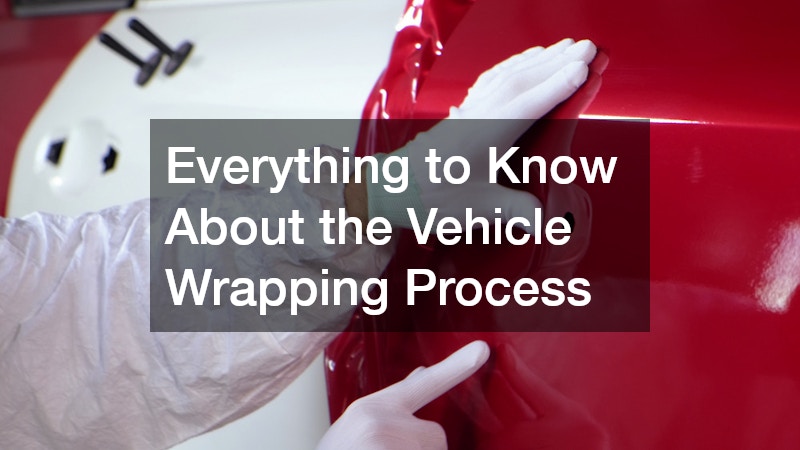
Vehicle wrapping has become an increasingly popular choice for car owners looking to personalize their vehicles or promote their business. This process involves covering the exterior of a vehicle with a vinyl wrap, which can feature any color, design, or graphic imaginable. As more people discover the flexibility and benefits of vehicle wrapping, the industry has started to see significant growth. Unlike traditional paint jobs, vehicle wraps can protect the original paint and be easily removed or updated as styles and trends change. Whether for personal or professional purposes, vehicle wrapping offers a unique opportunity to make a mobile statement. The trend of vehicle wrapping started in the commercial sector, allowing businesses to create mobile ads that capture attention on the road. Over the years, the technology and materials involved have advanced significantly, providing higher-quality wraps that offer increased durability and vibrancy. With a proper application, a vehicle wrap can last anywhere from three to seven years, offering long-term value compared to a temporary paint job. This industry has also seen advancements in the types of vinyl available, including finishes like matte, gloss, and even textures such as carbon fiber or brushed metal. These improvements have helped broaden the appeal of vehicle wrapping beyond its initial commercial roots to personalization projects. Many car enthusiasts choose vehicle wraps not only for their ability to create custom looks but also for the added layer of protection they provide. A wrap acts as a shield for a car’s factory paint from small scratches, UV rays, and other environmental factors. This preservation aspect is particularly appealing to those leasing vehicles, as it helps maintain the car’s resale or return condition. Furthermore, because wraps are removable, they’re an ideal option for vehicle owners who like to frequently change the appearance of their car without committing to a permanent color. This flexibility further illustrates why vehicle wrapping has captivated such a broad audience in the automotive customization world. Understanding the vehicle wrapping process is crucial for anyone considering this customization option. The first step involves thorough preparation of the vehicle’s surface to ensure the wrap adheres properly. This cleaning process is critical, as any dirt, wax, or grease can prevent the wrap from sticking correctly, leading to imperfections or early failure. Once the surface is meticulously cleaned, any existing imperfections, like scratches or dents, should be addressed because these will show through the vinyl wrap. Proper preparation ultimately ensures a smooth, seamless application that truly showcases the design. After preparation, the design and material selection take center stage. Designers work closely with clients to create a custom look that meets their aesthetic or branding needs, choosing from a wide range of colors, patterns, and finishes. This step is essential in ensuring that the final appearance aligns with the client’s vision. Once the design is finalized, high-quality vinyl materials are carefully selected and cut to fit the specifics of the vehicle. This precision is key to achieving a flawless installation that looks like an extension of the car itself rather than an afterthought. The actual application of the wrap requires both skill and patience. Trained professionals meticulously align and apply the vinyl to each section of the vehicle, using special tools to smooth out bubbles and creases. The process often involves heating the vinyl to make it more pliable, ensuring that it adheres perfectly to the vehicle’s contours and edges. This is an intricate job that can take several hours or even days, depending on the complexity of the vehicle and the design. Despite the time investment, the results are often stunning, with a sleek, polished look that rivals a traditional paint job. Proper maintenance is essential for extending the life of a vehicle wrap and keeping it looking vibrant. Regular cleaning with a soft cloth and water, along with gentle detergents, helps preserve the vinyl’s finish and prevents damage from dirt and grime. It’s important to avoid high-pressure washing systems, as these can lift the edges of the wrap, leading to peeling. By being attentive to these cleaning tips, vehicle owners can enjoy the aesthetic benefits of their wrap for many years. Additionally, parking in shaded areas or using a car cover can reduce UV exposure, further protecting the wrap’s bright color and design. In addition to these practical advantages, the removability of vehicle wraps underscores their environmental benefits by reducing waste associated with repainting. Because the vinyl material is often recyclable, it provides a more sustainable solution compared to traditional paint that involves chemicals and solvents. This eco-friendly option is becoming increasingly attractive as consumers become more environmentally conscious. The ability to easily update or revert a vehicle’s appearance means wraps are not only a creative choice but also a responsible one for today’s car owner. Emphasizing this eco-benefit can be a decisive factor for those weighing the choice between wraps and other types of vehicle customization.The Vehicle Wrapping Process Explained
Maintaining and Removing Vehicle Wraps
Everythng to Know About the Vehicle Wrapping Process