Introduction: Building a Year-Round Vehicle Care Strategy
Modern vehicle ownership goes far beyond basic driving and occasional oil changes. Today’s trucks, SUVs, and specialty vehicles are more complex, more customizable, and more dependent on coordinated maintenance than ever before. A single system—whether mechanical, electrical, or exterior—can influence performance, safety, fuel efficiency, and long-term value. Because of this interconnected nature, vehicle care works best when approached as a year-round strategy rather than a series of disconnected repairs.
Many drivers only think about maintenance when something breaks. That reactive approach often leads to higher costs, longer downtime, and avoidable safety risks. A structured plan, on the other hand, focuses on prevention, seasonal readiness, and timely upgrades. It also ensures that both everyday function and long-term durability are protected.
Weather changes are one of the biggest factors affecting vehicles. Winter introduces salt, ice, and heavy load demands, while summer can strain cooling systems and tire performance. Off-road or work-related usage adds even more wear. Without preparation, these conditions accelerate deterioration across multiple systems at once.
Another important consideration is how customization and utility upgrades affect performance. Accessories, lift modifications, exterior protection systems, and seasonal equipment all change how a vehicle behaves and requires care. When properly managed, these enhancements improve capability and lifespan. When neglected, they can introduce new maintenance challenges.
This guide breaks vehicle ownership into practical systems: protection, repair, performance, safety, and seasonal readiness. Each section focuses on actionable steps that help extend vehicle life, improve reliability, and reduce unexpected breakdowns. By understanding how all these elements work together, drivers can build a more efficient and dependable approach to long-term vehicle care.
Improve Truck Utility and Weather Protection for Daily Use
A truck is one of the most versatile vehicles on the road, but its usefulness depends heavily on how well it is equipped for protection and storage. Weather exposure, theft risk, and daily wear can quickly reduce the value and functionality of an open bed truck. That’s why protective upgrades and well-chosen accessories play a major role in long-term ownership.
A truck camper shell is one of the most effective upgrades for protecting cargo and expanding usability. It transforms an open bed into a secure, weather-resistant storage area. This is especially valuable for contractors, outdoor enthusiasts, and anyone transporting tools or equipment regularly.
Key benefits include:
- Protection from rain, snow, and UV exposure
- Increased cargo security and theft prevention
- Improved organization for tools and gear
- Better aerodynamics in some driving conditions
Truck accessories also enhance functionality and comfort. From bed liners to storage systems, the right additions can significantly improve efficiency.
Useful accessory upgrades include:
- Bed organizers and sliding storage trays
- Tie-down systems for secure transport
- Weatherproof mats and liners
- Exterior lighting for nighttime use
Maintenance is equally important. Even durable installations require periodic checks to ensure seals remain tight and mounting hardware stays secure. Cleaning exterior surfaces also prevents long-term corrosion and wear.
Seasonal adjustments can further improve performance. For example, sealing gaps before winter helps prevent moisture intrusion, while summer maintenance focuses on UV protection and heat resistance.
By combining protective structures with functional accessories, truck owners can significantly extend vehicle lifespan and improve daily usability without sacrificing performance.
Stay Prepared with On-Demand Repair and Emergency Support
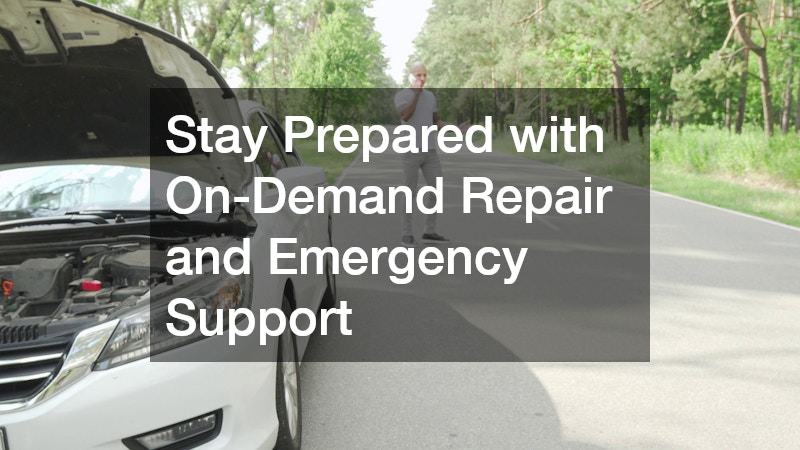
Breakdowns rarely happen at convenient times. Whether on a job site, highway, or remote location, vehicle failure can disrupt plans and create safety concerns. That’s why emergency support systems are a critical part of modern vehicle ownership.
Mobile truck repair services provide on-site assistance for common mechanical issues, reducing the need for towing and minimizing downtime. This is especially useful for commercial drivers or anyone who relies on their vehicle for work.
Typical mobile repair situations include:
- Battery failure or electrical issues
- Tire changes or blowouts
- Minor engine troubleshooting
- Fluid leaks or hose replacements
The convenience of mobile service lies in its speed and accessibility. Instead of waiting for shop availability, repairs can often be completed where the vehicle is located.
However, not all issues can be handled on-site. In more serious cases, a towing company becomes necessary. Towing ensures the vehicle is safely transported without causing further damage.
Situations requiring towing include:
- Transmission failure
- Severe engine overheating
- Collision damage
- Suspension collapse or steering failure
Preparation is key to handling emergencies effectively. Drivers should keep contact information for reliable service providers and ensure their vehicle insurance covers roadside assistance.
Additional preparedness tips:
- Keep emergency tools and warning triangles in the vehicle
- Maintain a charged phone or backup power source
- Regularly check spare tire condition
- Understand basic troubleshooting steps
Combining mobile repair access with towing support creates a complete safety net for unexpected breakdowns.
Upgrade Performance and Driving Comfort with Suspension and Add-Ons
Performance upgrades can significantly change how a vehicle handles, especially for trucks used in off-road, work, or heavy-duty environments. Suspension modifications and accessory enhancements must be carefully planned to balance capability, safety, and comfort.
A truck lift kit is one of the most impactful modifications available. It increases ground clearance, improves off-road performance, and allows for larger tires. However, it also affects handling, fuel economy, and wear patterns.
Important considerations include:
- Choosing lift height based on intended use
- Understanding changes in steering geometry
- Ensuring proper alignment after installation
- Upgrading supporting components like shocks and brakes
Lift kits are most beneficial for:
- Off-road driving
- Construction and utility work
- Heavy load transport
- Enhanced visibility and clearance
Truck accessories also play a role in performance improvement. These additions should complement rather than compromise vehicle balance.
Performance-enhancing accessories include:
- Upgraded suspension components
- Heavy-duty bumpers and guards
- Performance tires suited to terrain
- Enhanced lighting systems
Maintenance becomes more important after modifications. Suspension systems experience different stress levels, requiring more frequent inspections and adjustments.
Best practices include:
- Checking alignment regularly
- Monitoring tire wear patterns
- Inspecting suspension components for stress damage
- Ensuring all aftermarket parts remain securely fastened
When done correctly, performance upgrades can dramatically improve both capability and driving experience.
Maintain Vehicle Safety and Winter Readiness for Seasonal Driving
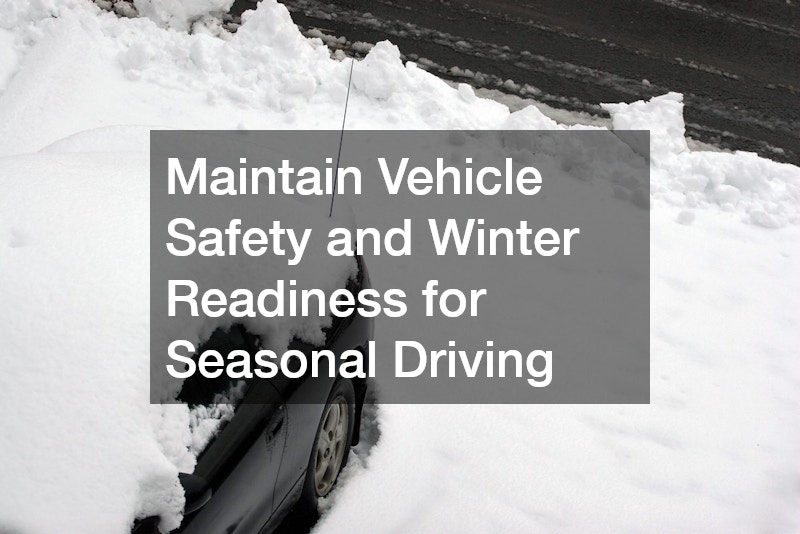
Seasonal changes introduce unique demands on vehicles, especially in regions with heavy snowfall or varied terrain usage. Preparing for winter conditions is essential for safety and operational reliability.
Snow plow equipment is commonly used for clearing driveways, roads, and work areas. Proper installation and maintenance are critical to ensure safe operation and prevent vehicle strain.
Key maintenance tasks include:
- Inspecting hydraulic systems for leaks
- Checking blade alignment and wear
- Ensuring mounting hardware is secure
- Testing operation before snowfall begins
Winter readiness also involves ensuring tires, fluids, and batteries are suitable for cold temperatures.
Golf carts, often used in residential, recreational, or commercial settings, also require seasonal attention. Cold weather can impact battery performance and mechanical reliability.
Seasonal preparation tips include:
- Storing equipment in dry, protected areas
- Charging and maintaining batteries regularly
- Cleaning components before storage
- Inspecting tires for cracks or wear
Proper seasonal maintenance ensures equipment remains reliable when needed most and prevents costly off-season damage.
Ensure Road Safety Through Brake and Exhaust System Care
Safety systems are among the most critical components of any vehicle. Braking and exhaust systems directly impact both performance and environmental compliance.
Brake repair becomes necessary when components show signs of wear or reduced responsiveness. Ignoring brake issues can lead to dangerous driving conditions.
Warning signs include:
- Squeaking or grinding noises
- Longer stopping distances
- Vibrations when braking
- Soft or unresponsive brake pedals
Regular inspection ensures early detection of wear and prevents system failure.
Auto exhaust repairs are equally important. Exhaust systems manage emissions, engine efficiency, and noise control. Damage or leaks can reduce performance and increase environmental impact.
Common exhaust issues include:
- Rust or corrosion in pipes
- Loud or unusual engine noise
- Reduced fuel efficiency
- Strong exhaust smells
Preventative maintenance includes routine inspections, rust prevention, and prompt repair of small leaks.
Enhance Vehicle Appearance and Protection with Exterior Customization
Exterior customization is not just about aesthetics—it also provides protection against environmental damage. Car wraps are an increasingly popular solution for both personal and commercial vehicles because they combine visual customization with a functional protective layer. Unlike traditional paint jobs, wraps can be updated or removed without permanently altering the vehicle’s original finish, making them a flexible long-term option.
Car wraps also serve a practical role in preserving resale value. By shielding factory paint from UV exposure, road debris, salt, and minor abrasions, they help maintain the vehicle’s original condition underneath. For business owners, wraps double as mobile advertising, turning every trip into a branding opportunity without ongoing marketing costs.
Benefits include:
- Protection of original paint from UV rays, road debris, and scratches
- Custom branding opportunities for businesses and fleet vehicles
- Easy removal compared to permanent paint jobs, allowing design updates
- Wide variety of finishes such as matte, gloss, satin, and textured options
Proper maintenance is essential to maximize lifespan. Even premium materials can degrade if neglected or exposed to improper cleaning techniques.
Care recommendations:
- Wash gently using non-abrasive microfiber materials and mild soap
- Avoid high-pressure washing at close range, especially around edges
- Park in shaded or covered areas whenever possible to reduce UV exposure
- Inspect wrap edges periodically for lifting, peeling, or trapped moisture
Additional considerations include avoiding automatic car washes with harsh brushes and promptly removing contaminants like bird droppings or tree sap, which can damage wrap surfaces if left untreated. With proper care, high-quality wraps can last several years while maintaining a clean, professional appearance that enhances both aesthetics and resale value.
Coordinate Vehicle Maintenance Across Systems Efficiently
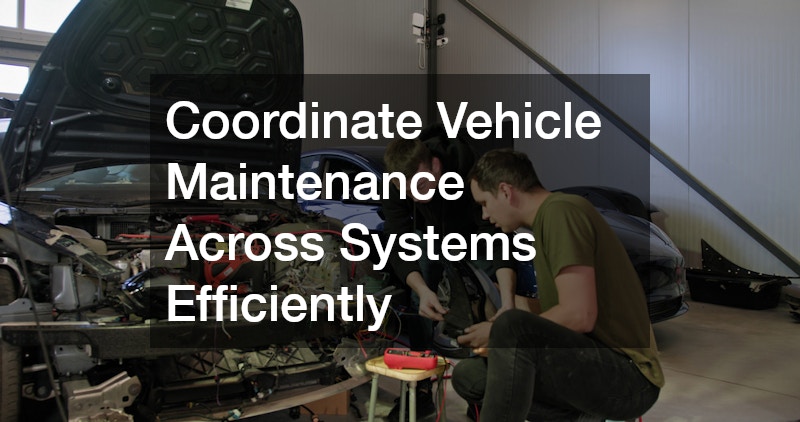
Efficient vehicle care requires coordination between multiple systems. Scheduling repairs and upgrades in isolation often leads to overlapping costs, unnecessary downtime, and inefficient use of service appointments. A coordinated approach ensures that maintenance tasks complement each other rather than conflict or repeat effort.
For example, combining suspension work with tire replacement or scheduling brake inspections alongside exhaust system checks can significantly reduce labor costs and service time. This type of planning also allows technicians to identify related issues that might otherwise go unnoticed.
Best practices include:
- Grouping seasonal maintenance tasks together (winter prep, summer cooling checks)
- Scheduling inspections before major weather changes to avoid emergency repairs
- Keeping detailed service records for all repairs, upgrades, and inspections
- Prioritizing safety-related systems before cosmetic or performance upgrades
Additional strategies:
- Coordinate multiple services with a single provider when possible to reduce costs
- Plan maintenance during off-peak seasons to improve scheduling flexibility
- Track mileage-based service intervals for oil changes, filters, and fluids
- Use digital maintenance logs or apps to avoid missed appointments
A structured schedule ensures consistent upkeep and reduces the likelihood of emergency repairs. Over time, this approach also extends the lifespan of key components, improves resale value, and creates a more predictable ownership experience with fewer unexpected disruptions.
Budgeting for Vehicle Repairs, Upgrades, and Seasonal Equipment
Vehicle ownership involves ongoing expenses beyond fuel and insurance. Repairs, upgrades, accessories, and seasonal equipment all contribute to total cost of ownership, and without planning, these expenses can become overwhelming. A structured financial strategy helps ensure that maintenance needs are met without creating financial strain.
One of the most effective approaches is building a dedicated vehicle maintenance fund. This fund should account for both predictable services (like oil changes and inspections) and unexpected repairs (such as breakdowns or part failures). Seasonal expenses, such as winter equipment or performance upgrades, should also be included in annual planning.
Smart budgeting strategies include:
- Setting aside monthly maintenance funds based on vehicle age and usage
- Planning in advance for seasonal equipment costs and storage needs
- Comparing service providers and obtaining multiple estimates before major repairs
- Prioritizing essential repairs over cosmetic upgrades when budgeting is limited
Additional financial planning tips:
- Track historical repair costs to predict future expenses more accurately
- Separate emergency funds from planned upgrade budgets
- Consider long-term savings from preventive maintenance versus reactive repairs
- Factor in insurance deductibles and potential out-of-pocket costs
A proactive financial approach prevents unexpected strain and ensures consistent vehicle reliability. It also allows owners to make better upgrade decisions by focusing on value-driven improvements rather than emergency-driven spending.
Increase Vehicle Value Through Strategic Maintenance and Upgrades
Long-term vehicle value depends heavily on maintenance history, condition, and the quality of upgrades performed over time. Buyers consistently favor vehicles that demonstrate consistent care, documented service records, and well-planned improvements rather than inconsistent or reactive maintenance patterns.
Functional upgrades often provide the highest return on investment. Improvements that enhance safety, efficiency, or performance tend to be more valuable than purely cosmetic changes. However, appearance still plays an important role in first impressions and perceived care.
Key value drivers include:
- Detailed and documented maintenance records showing consistent care
- Functional performance upgrades that improve reliability and usability
- Clean, well-maintained exterior and interior condition
- Timely repairs that prevent long-term system deterioration
Strategic improvements ensure the vehicle remains both functional and attractive to future buyers. Over time, this approach helps preserve resale value while also improving day-to-day reliability and ownership satisfaction.
Conclusion: Building a Reliable, High-Performance Vehicle Ownership Plan
Successful vehicle ownership is not defined by occasional repairs or isolated upgrades—it is built through consistent, informed care over time. When maintenance is treated as an ongoing system rather than a reactive task list, vehicles perform more reliably, last longer, and require fewer costly emergency interventions.
Each aspect of vehicle care plays a role in overall performance. Protection systems safeguard cargo and structure, mechanical upgrades enhance capability, safety systems ensure reliability, and seasonal equipment prepares the vehicle for environmental demands. When these elements are properly coordinated, they create a balanced and efficient ownership experience.
One of the most important takeaways is the value of prevention. Small issues, when ignored, often develop into larger and more expensive problems. Regular inspections, timely repairs, and proactive upgrades significantly reduce this risk while improving overall driving safety and comfort.
Financial planning also supports long-term success. By budgeting for both expected maintenance and unexpected repairs, vehicle owners can avoid disruptions and make better decisions about upgrades and replacements.
Ultimately, a well-maintained and thoughtfully upgraded vehicle is more than transportation—it becomes a dependable tool that supports work, travel, and daily life. With a structured approach, owners can maximize performance, safety, and value for years to come.
Introduction: Building a Year-Round Vehicle Care Strategy
Modern vehicle ownership goes far beyond basic driving and occasional oil changes. Today’s trucks, SUVs, and specialty vehicles are more complex, more customizable, and more dependent on coordinated maintenance than ever before. A single system—whether mechanical, electrical, or exterior—can influence performance, safety, fuel efficiency, and long-term value. Because of this interconnected nature, vehicle care works best when approached as a year-round strategy rather than a series of disconnected repairs.
Many drivers only think about maintenance when something breaks. That reactive approach often leads to higher costs, longer downtime, and avoidable safety risks. A structured plan, on the other hand, focuses on prevention, seasonal readiness, and timely upgrades. It also ensures that both everyday function and long-term durability are protected.
Weather changes are one of the biggest factors affecting vehicles. Winter introduces salt, ice, and heavy load demands, while summer can strain cooling systems and tire performance. Off-road or work-related usage adds even more wear. Without preparation, these conditions accelerate deterioration across multiple systems at once.
Another important consideration is how customization and utility upgrades affect performance. Accessories, lift modifications, exterior protection systems, and seasonal equipment all change how a vehicle behaves and requires care. When properly managed, these enhancements improve capability and lifespan. When neglected, they can introduce new maintenance challenges.
This guide breaks vehicle ownership into practical systems: protection, repair, performance, safety, and seasonal readiness. Each section focuses on actionable steps that help extend vehicle life, improve reliability, and reduce unexpected breakdowns. By understanding how all these elements work together, drivers can build a more efficient and dependable approach to long-term vehicle care.
Improve Truck Utility and Weather Protection for Daily Use
A truck is one of the most versatile vehicles on the road, but its usefulness depends heavily on how well it is equipped for protection and storage. Weather exposure, theft risk, and daily wear can quickly reduce the value and functionality of an open bed truck. That’s why protective upgrades and well-chosen accessories play a major role in long-term ownership.
A truck camper shell is one of the most effective upgrades for protecting cargo and expanding usability. It transforms an open bed into a secure, weather-resistant storage area. This is especially valuable for contractors, outdoor enthusiasts, and anyone transporting tools or equipment regularly.
Key benefits include:
- Protection from rain, snow, and UV exposure
- Increased cargo security and theft prevention
- Improved organization for tools and gear
- Better aerodynamics in some driving conditions
Truck accessories also enhance functionality and comfort. From bed liners to storage systems, the right additions can significantly improve efficiency.
Useful accessory upgrades include:
- Bed organizers and sliding storage trays
- Tie-down systems for secure transport
- Weatherproof mats and liners
- Exterior lighting for nighttime use
Maintenance is equally important. Even durable installations require periodic checks to ensure seals remain tight and mounting hardware stays secure. Cleaning exterior surfaces also prevents long-term corrosion and wear.
Seasonal adjustments can further improve performance. For example, sealing gaps before winter helps prevent moisture intrusion, while summer maintenance focuses on UV protection and heat resistance.
By combining protective structures with functional accessories, truck owners can significantly extend vehicle lifespan and improve daily usability without sacrificing performance.
Stay Prepared with On-Demand Repair and Emergency Support
Breakdowns rarely happen at convenient times. Whether on a job site, highway, or remote location, vehicle failure can disrupt plans and create safety concerns. That’s why emergency support systems are a critical part of modern vehicle ownership.
Mobile truck repair services provide on-site assistance for common mechanical issues, reducing the need for towing and minimizing downtime. This is especially useful for commercial drivers or anyone who relies on their vehicle for work.
Typical mobile repair situations include:
- Battery failure or electrical issues
- Tire changes or blowouts
- Minor engine troubleshooting
- Fluid leaks or hose replacements
The convenience of mobile service lies in its speed and accessibility. Instead of waiting for shop availability, repairs can often be completed where the vehicle is located.
However, not all issues can be handled on-site. In more serious cases, a towing company becomes necessary. Towing ensures the vehicle is safely transported without causing further damage.
Situations requiring towing include:
- Transmission failure
- Severe engine overheating
- Collision damage
- Suspension collapse or steering failure
Preparation is key to handling emergencies effectively. Drivers should keep contact information for reliable service providers and ensure their vehicle insurance covers roadside assistance.
Additional preparedness tips:
- Keep emergency tools and warning triangles in the vehicle
- Maintain a charged phone or backup power source
- Regularly check spare tire condition
- Understand basic troubleshooting steps
Combining mobile repair access with towing support creates a complete safety net for unexpected breakdowns.
Upgrade Performance and Driving Comfort with Suspension and Add-Ons
Performance upgrades can significantly change how a vehicle handles, especially for trucks used in off-road, work, or heavy-duty environments. Suspension modifications and accessory enhancements must be carefully planned to balance capability, safety, and comfort.
A truck lift kit is one of the most impactful modifications available. It increases ground clearance, improves off-road performance, and allows for larger tires. However, it also affects handling, fuel economy, and wear patterns.
Important considerations include:
- Choosing lift height based on intended use
- Understanding changes in steering geometry
- Ensuring proper alignment after installation
- Upgrading supporting components like shocks and brakes
Lift kits are most beneficial for:
- Off-road driving
- Construction and utility work
- Heavy load transport
- Enhanced visibility and clearance
Truck accessories also play a role in performance improvement. These additions should complement rather than compromise vehicle balance.
Performance-enhancing accessories include:
- Upgraded suspension components
- Heavy-duty bumpers and guards
- Performance tires suited to terrain
- Enhanced lighting systems
Maintenance becomes more important after modifications. Suspension systems experience different stress levels, requiring more frequent inspections and adjustments.
Best practices include:
- Checking alignment regularly
- Monitoring tire wear patterns
- Inspecting suspension components for stress damage
- Ensuring all aftermarket parts remain securely fastened
When done correctly, performance upgrades can dramatically improve both capability and driving experience.
Maintain Vehicle Safety and Winter Readiness for Seasonal Driving
Seasonal changes introduce unique demands on vehicles, especially in regions with heavy snowfall or varied terrain usage. Preparing for winter conditions is essential for safety and operational reliability.
Snow plow equipment is commonly used for clearing driveways, roads, and work areas. Proper installation and maintenance are critical to ensure safe operation and prevent vehicle strain.
Key maintenance tasks include:
- Inspecting hydraulic systems for leaks
- Checking blade alignment and wear
- Ensuring mounting hardware is secure
- Testing operation before snowfall begins
Winter readiness also involves ensuring tires, fluids, and batteries are suitable for cold temperatures.
Golf carts, often used in residential, recreational, or commercial settings, also require seasonal attention. Cold weather can impact battery performance and mechanical reliability.
Seasonal preparation tips include:
- Storing equipment in dry, protected areas
- Charging and maintaining batteries regularly
- Cleaning components before storage
- Inspecting tires for cracks or wear
Proper seasonal maintenance ensures equipment remains reliable when needed most and prevents costly off-season damage.
Ensure Road Safety Through Brake and Exhaust System Care
Safety systems are among the most critical components of any vehicle. Braking and exhaust systems directly impact both performance and environmental compliance.
Brake repair becomes necessary when components show signs of wear or reduced responsiveness. Ignoring brake issues can lead to dangerous driving conditions.
Warning signs include:
- Squeaking or grinding noises
- Longer stopping distances
- Vibrations when braking
- Soft or unresponsive brake pedals
Regular inspection ensures early detection of wear and prevents system failure.
Auto exhaust repairs are equally important. Exhaust systems manage emissions, engine efficiency, and noise control. Damage or leaks can reduce performance and increase environmental impact.
Common exhaust issues include:
- Rust or corrosion in pipes
- Loud or unusual engine noise
- Reduced fuel efficiency
- Strong exhaust smells
Preventative maintenance includes routine inspections, rust prevention, and prompt repair of small leaks.
Enhance Vehicle Appearance and Protection with Exterior Customization
Exterior customization is not just about aesthetics—it also provides protection against environmental damage. Car wraps are an increasingly popular solution for both personal and commercial vehicles because they combine visual customization with a functional protective layer. Unlike traditional paint jobs, wraps can be updated or removed without permanently altering the vehicle’s original finish, making them a flexible long-term option.
Car wraps also serve a practical role in preserving resale value. By shielding factory paint from UV exposure, road debris, salt, and minor abrasions, they help maintain the vehicle’s original condition underneath. For business owners, wraps double as mobile advertising, turning every trip into a branding opportunity without ongoing marketing costs.
Benefits include:
- Protection of original paint from UV rays, road debris, and scratches
- Custom branding opportunities for businesses and fleet vehicles
- Easy removal compared to permanent paint jobs, allowing design updates
- Wide variety of finishes such as matte, gloss, satin, and textured options
Proper maintenance is essential to maximize lifespan. Even premium materials can degrade if neglected or exposed to improper cleaning techniques.
Care recommendations:
- Wash gently using non-abrasive microfiber materials and mild soap
- Avoid high-pressure washing at close range, especially around edges
- Park in shaded or covered areas whenever possible to reduce UV exposure
- Inspect wrap edges periodically for lifting, peeling, or trapped moisture
Additional considerations include avoiding automatic car washes with harsh brushes and promptly removing contaminants like bird droppings or tree sap, which can damage wrap surfaces if left untreated. With proper care, high-quality wraps can last several years while maintaining a clean, professional appearance that enhances both aesthetics and resale value.
Coordinate Vehicle Maintenance Across Systems Efficiently
Efficient vehicle care requires coordination between multiple systems. Scheduling repairs and upgrades in isolation often leads to overlapping costs, unnecessary downtime, and inefficient use of service appointments. A coordinated approach ensures that maintenance tasks complement each other rather than conflict or repeat effort.
For example, combining suspension work with tire replacement or scheduling brake inspections alongside exhaust system checks can significantly reduce labor costs and service time. This type of planning also allows technicians to identify related issues that might otherwise go unnoticed.
Best practices include:
- Grouping seasonal maintenance tasks together (winter prep, summer cooling checks)
- Scheduling inspections before major weather changes to avoid emergency repairs
- Keeping detailed service records for all repairs, upgrades, and inspections
- Prioritizing safety-related systems before cosmetic or performance upgrades
Additional strategies:
- Coordinate multiple services with a single provider when possible to reduce costs
- Plan maintenance during off-peak seasons to improve scheduling flexibility
- Track mileage-based service intervals for oil changes, filters, and fluids
- Use digital maintenance logs or apps to avoid missed appointments
A structured schedule ensures consistent upkeep and reduces the likelihood of emergency repairs. Over time, this approach also extends the lifespan of key components, improves resale value, and creates a more predictable ownership experience with fewer unexpected disruptions.
Budgeting for Vehicle Repairs, Upgrades, and Seasonal Equipment
Vehicle ownership involves ongoing expenses beyond fuel and insurance. Repairs, upgrades, accessories, and seasonal equipment all contribute to total cost of ownership, and without planning, these expenses can become overwhelming. A structured financial strategy helps ensure that maintenance needs are met without creating financial strain.
One of the most effective approaches is building a dedicated vehicle maintenance fund. This fund should account for both predictable services (like oil changes and inspections) and unexpected repairs (such as breakdowns or part failures). Seasonal expenses, such as winter equipment or performance upgrades, should also be included in annual planning.
Smart budgeting strategies include:
- Setting aside monthly maintenance funds based on vehicle age and usage
- Planning in advance for seasonal equipment costs and storage needs
- Comparing service providers and obtaining multiple estimates before major repairs
- Prioritizing essential repairs over cosmetic upgrades when budgeting is limited
Additional financial planning tips:
- Track historical repair costs to predict future expenses more accurately
- Separate emergency funds from planned upgrade budgets
- Consider long-term savings from preventive maintenance versus reactive repairs
- Factor in insurance deductibles and potential out-of-pocket costs
A proactive financial approach prevents unexpected strain and ensures consistent vehicle reliability. It also allows owners to make better upgrade decisions by focusing on value-driven improvements rather than emergency-driven spending.
Increase Vehicle Value Through Strategic Maintenance and Upgrades
Long-term vehicle value depends heavily on maintenance history, condition, and the quality of upgrades performed over time. Buyers consistently favor vehicles that demonstrate consistent care, documented service records, and well-planned improvements rather than inconsistent or reactive maintenance patterns.
Functional upgrades often provide the highest return on investment. Improvements that enhance safety, efficiency, or performance tend to be more valuable than purely cosmetic changes. However, appearance still plays an important role in first impressions and perceived care.
Key value drivers include:
- Detailed and documented maintenance records showing consistent care
- Functional performance upgrades that improve reliability and usability
- Clean, well-maintained exterior and interior condition
- Timely repairs that prevent long-term system deterioration
Strategic improvements ensure the vehicle remains both functional and attractive to future buyers. Over time, this approach helps preserve resale value while also improving day-to-day reliability and ownership satisfaction.
Conclusion: Building a Reliable, High-Performance Vehicle Ownership Plan
Successful vehicle ownership is not defined by occasional repairs or isolated upgrades—it is built through consistent, informed care over time. When maintenance is treated as an ongoing system rather than a reactive task list, vehicles perform more reliably, last longer, and require fewer costly emergency interventions.
Each aspect of vehicle care plays a role in overall performance. Protection systems safeguard cargo and structure, mechanical upgrades enhance capability, safety systems ensure reliability, and seasonal equipment prepares the vehicle for environmental demands. When these elements are properly coordinated, they create a balanced and efficient ownership experience.
One of the most important takeaways is the value of prevention. Small issues, when ignored, often develop into larger and more expensive problems. Regular inspections, timely repairs, and proactive upgrades significantly reduce this risk while improving overall driving safety and comfort.
Financial planning also supports long-term success. By budgeting for both expected maintenance and unexpected repairs, vehicle owners can avoid disruptions and make better decisions about upgrades and replacements.
Ultimately, a well-maintained and thoughtfully upgraded vehicle is more than transportation—it becomes a dependable tool that supports work, travel, and daily life. With a structured approach, owners can maximize performance, safety, and value for years to come.