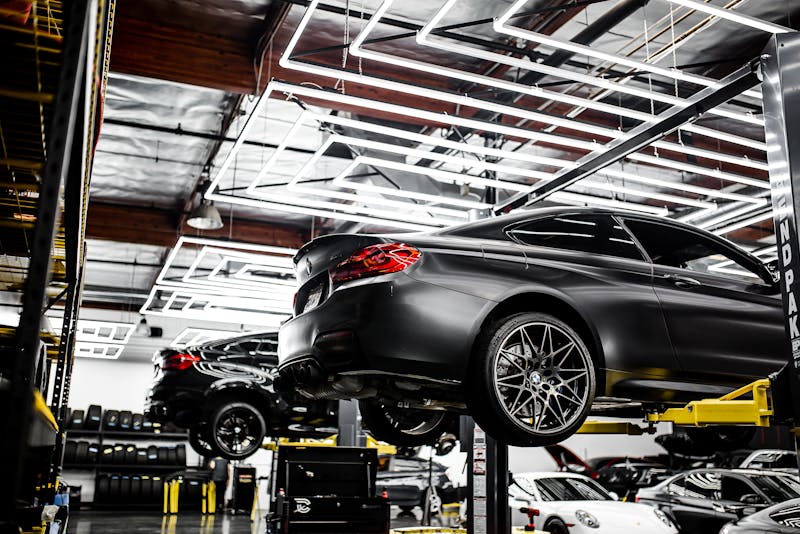
Standard sedans, compact crossovers, and mass-market trucks follow a largely predictable blueprint. If you know your way around a domestic inline-four engine or a basic front-wheel-drive suspension system, you can confidently navigate the majority of everyday automotive fixes. But the moment you step outside this conventional boundary, the automotive landscape shifts dramatically. Specialized vehicles—ranging from highly engineered European imports and heavy-duty commercial haulers to modified mobility transports and houses on wheels—operate in an entirely different universe. They utilize unique engineering philosophies, tighter tolerances, completely different fuel delivery methods, and secondary auxiliary systems that you will never find on a standard commuter car.
Navigating Exotic and Metric Engineering

How to Source True OEM Parts and Avoid Metric Pitfalls
Vehicles designed and engineered outside the domestic market operate on entirely different design philosophies. European and Asian manufacturers often prioritize highly compact packaging, ultra-precise tolerances, and intricate electronic networks that govern mechanical operations. For example, where a domestic vehicle might use a simple mechanical link or a straightforward 12-volt circuit, an import might utilize a localized Controller Area Network (CAN bus) to manage a single subsystem. Furthermore, the physical hardware itself requires a completely different mindset. If you approach these vehicles with a standard imperial toolkit, or even a basic, low-grade metric set, you risk stripping specialized fasteners and permanently damaging expensive components.
To successfully manage these vehicles, your first and most critical investment must be in high-quality, vehicle-specific tooling. Many overseas manufacturers rely heavily on proprietary or less-common fastener types, such as Torx, security Torx, external Torx (E-sockets), and triple-square (XZN) bits. Attempting to loosen a triple-square bolt with a standard Allen wrench or a Torx bit will instantly strip the head, turning a twenty-minute component replacement into a multi-hour drilling and extraction nightmare. Always research the specific fastener requirements for your vehicle’s make and model before loosening a single bolt.
Sourcing parts for these engineered platforms requires an immense amount of diligence. Generic auto parts stores often carry “universal fit” components that claim compatibility but fail to meet the exact operating parameters required by sophisticated onboard computers. A slightly incorrect resistance value in an aftermarket oxygen sensor or a minor dimensional variance in a suspension bushing can trigger dashboard warning lights or cause premature wear.
When searching for a shop capable of managing these complexities, look for facilities that specialize exclusively in foreign auto repair to ensure they possess the diagnostic software necessary to communicate with specialized control modules. When sourcing components yourself, always utilize the vehicle identification number (VIN) through specialized digital catalogs to verify exact fitment. Many enthusiasts turn to dedicated overseas distributors or certified original equipment manufacturer (OEM) part suppliers to ensure that the replacement components match the exact factory specifications, preserving the integrity of the vehicle’s intricate engineering.
Mastering Heavy-Duty High-Compression Engines

Critical Fuel System Maintenance for High-Compression Engines
Moving away from passenger cars into the realm of commercial haulers and heavy equipment brings you face-to-face with high-compression, heavy-duty engines. These powertrains rely on massive torque outputs and extreme combustion pressures to move substantial loads. Unlike gasoline engines that use spark plugs to ignite a fuel-air mixture, these power plants rely entirely on the heat generated by intense air compression to ignite the fuel. Because these systems operate under extreme thermal and mechanical stress, their components are built to incredibly robust standards, meaning the parts are heavier, the fluid capacities are vastly larger, and the injection systems function under astonishingly high pressures.
The modern high-pressure common rail fuel system is a marvel of engineering, but it is also exceptionally vulnerable to contamination. These systems can reach injection pressures exceeding 30,000 pounds per square inch. At these extreme pressures, even a microscopic speck of dirt, dust, or water can act like a sandblaster inside the fuel injectors, eroding the incredibly tight tolerances and causing total system failure. Water contamination is particularly devastating, as it destroys the lubricating film required by the high-pressure fuel pump, leading to internal metal flaking that quickly ruins the entire fuel loop.
To protect these high-compression systems, you must establish and strictly adhere to a rigorous fuel system maintenance routine.
-
Implement a strict dual-filter replacement schedule, changing both the primary fuel filter and the secondary water separator filter every 10,000 miles, or even sooner if operating in harsh, dusty environments.
-
Regularly drain the water collection bowl on your primary fuel filter assembly; checking this weekly can catch moisture before it reaches the sensitive high-pressure pump.
-
Utilize a high-quality fuel additive during every single fill-up to increase fuel lubricity, prevent injector fouling, and inhibit the growth of microbial slime or algae inside large, dark fuel storage tanks.
-
Never open a fuel system for repairs in a windy or dusty environment; always clean the surrounding engine bay thoroughly before cracking open fuel lines to prevent airborne contaminants from entering the system.
Because these large-scale vehicles are highly specialized, seeking out a facility that focuses specifically on diesel repair is vital when dealing with complex internal engine work or advanced fuel system diagnostics. These specialized technicians possess the heavy-duty lifting equipment, specialized torque wrenches, and advanced diagnostic software required to accurately assess these massive engines. Finding a qualified local truck repair shop ensures that you have access to professionals who understand the unique load profiles, cooling requirements, and emission control systems native to these heavy-duty workhorses, keeping your equipment operating efficiently under the most demanding conditions.
Troubleshooting Complex Drivetrains and Auxiliary Power
Proactive Diagnostics for Heavy Gearboxes and Auxiliary Units
The drivetrains found in heavy commercial vehicles bear little resemblance to the light-duty transmissions found in everyday commuter vehicles. These systems are designed to manage immense levels of torque and continuous, high-load operations over hundreds of thousands of miles. The gearboxes often feature complex pneumatic multi-stage splitting systems, manual or automated-manual configurations, and robust mechanical linkages. Additionally, because these vehicles frequently operate as mobile work stations or long-haul transport units, they are often equipped with secondary, independent power systems designed to run climate control, electronics, and accessories without needing to idle the massive primary engine.
Maintaining these heavy-duty drivetrains requires a proactive diagnostic approach that relies heavily on fluid analysis and precise mechanical adjustments. The sheer volume of friction and heat generated within a heavy gearbox means that the lubricating fluid is under constant assault. Instead of waiting for a transmission to begin slipping or grinding, fleet operators and savvy owners regularly pull fluid samples and send them to specialized laboratories. This fluid analysis detects trace amounts of metals, tracking internal component wear and allowing you to catch a failing bearing or gear before it causes a catastrophic breakdown.
For vehicles utilizing heavy-duty manual drivetrains, proper clutch adjustment is paramount. The clearance between the release bearing and the clutch brake must be checked and adjusted regularly to compensate for friction material wear. Ignoring this adjustment leads to poor gear synchronization, hard shifting, and rapid destruction of the internal components, which ultimately forces you to seek out a costly broken transmission repair. Furthermore, when dealing with class 8 trucks and large commercial haulers, understanding the intricacies of a semi clutch repair is essential, as these large-diameter, multi-plate clutch assemblies require specialized alignment tools and heavy-duty input shaft inspections during installation to ensure proper engagement and longevity.
Simultaneously, the auxiliary power unit, or apu system, requires its own dedicated maintenance protocol. These compact secondary engines run for thousands of hours while the vehicle is parked, powering the cabin’s heating, cooling, and electrical grids. Because they operate independently, they possess their own internal combustion engines, alternators, and cooling loops.
-
Treat the auxiliary power unit as a completely separate vehicle when tracking maintenance intervals, performing oil and filter changes precisely every 500 operating hours.
-
Regularly inspect the auxiliary unit’s drive belts and tensioners, as a snapped belt will instantly disable the cabin’s climate control and battery-charging capabilities.
-
Check the integration points where the auxiliary unit ties into the main vehicle’s fuel tank and cooling system to ensure no external leaks have developed from constant road vibrations.
Maintaining Mobile Living Quarters and Aging RVs

How to Inspect and Seal Complex Plumbing and Structural Seals
Recreational vehicles represent an incredibly unique repair challenge because they are a complex hybrid of an automotive chassis and a fully functional residential home. When you work on a house on wheels, you aren’t just dealing with brakes, suspension, and engine oil; you are simultaneously managing pressurized fresh water plumbing, complex propane gas distribution lines, multi-volt electrical grids, and structural waste systems. To make matters worse, this entire residential structure is subjected to a continuous, low-magnitude earthquake every single time the vehicle drives down a bumpy highway, twisting the frame and subjecting every joint, seal, and connection to intense physical stress.
The absolute greatest enemy of any recreational vehicle is water intrusion. While a small leak in a household roof can damage a patch of drywall, a small leak in a vehicle’s roof structure can travel down the internal wall framing, rotting out the structural wood, destroying insulation, and causing thousands of dollars in hidden structural damage before ever showing a visible spot on the interior ceiling. Therefore, maintaining the external integrity of the shell must be your highest priority.
-
Conduct a thorough, comprehensive inspection of all roof seams, window seals, and body molding at least twice a year, looking for tiny hairline cracks or gaps in the sealant.
-
Never use standard household silicone on a rubber or fiberglass roof; always utilize self-leveling lap sealants specifically formulated to bond with specialized roofing materials and flex with the vehicle’s movement.
-
Check the condition of all slide-out seals and slide toppers, cleaning away debris, leaves, and twigs that can get trapped in the rubber gaskets and create pathways for rainwater to enter the cabin.
When navigating the market for a pre-owned motorhome, understanding these unique vulnerabilities becomes even more critical. Purchasing a used rv can be an excellent, cost-effective way to enter the mobile lifestyle, but it requires an incredibly discerning eye during the inspection process. You must look far beyond the mechanical health of the engine and transmission. Step inside and inspect the interior corners, the inside of upper cabinets, and the flooring surrounding the water pump and tanks for any signs of soft spots, discoloration, or a musty odor.
If you encounter complex appliance failures, such as a three-way refrigerator that runs on propane, 12-volt DC, and 120-volt AC power, or a specialized hydronic heating system, you will quickly realize that standard automotive shops are completely unequipped to help. For these systems, seeking out a dedicated facility that focuses exclusively on rv repair is non-negotiable. These specialized technicians understand the unique intersection of automotive design and residential engineering, ensuring that your plumbing, propane, and structural systems are repaired to strict safety standards.
Servicing Custom Mobility and Commercial Fleet Upfits
Safety Checklist for Hydraulic Lifts and Custom Commercial Additions
Vehicles modified for specialized utility, such as accessibility vans and commercial fleet trucks, feature heavily customized aftermarket equipment integrated directly into the factory chassis. These modifications can include electro-hydraulic wheelchair ramps, specialized kneeling suspension systems, heavy-duty power take-off units, custom utility beds, and secondary high-output electrical systems. Because these components are added after the vehicle leaves the factory assembly line, they often rely on unique wiring harnesses, separate hydraulic reservoirs, and dedicated safety interlocks that standard service manuals do not cover.
When dealing with a modified handicap van, the primary focus shifts toward absolute reliability and occupant safety. The specialized electronic ramps and lifts found in these accessibility platforms are subjected to immense mechanical leverage and harsh environmental exposure, especially if the components are mounted beneath the vehicle floor where they are continuously blasted by road salt, water, and debris. A failure in these systems doesn’t just represent an inconvenience; it can completely strand an individual or compromise their safety.
To maintain these critical accessibility and commercial systems, a highly structured safety and lubrication routine must be implemented.
-
Clean all mechanical tracks, rollers, and pivot points on a monthly basis, clearing away dirt and hair that can bog down electric motors, then apply a non-attracting dry silicone spray rather than heavy grease, which traps abrasive grit.
-
Inspect all hydraulic lines and fittings for signs of weeping or dampness, ensuring the hydraulic fluid reservoir remains filled to the exact specified level with the correct fluid type.
-
Regularly test the vehicle’s safety interlock systems, ensuring that the lift cannot operate unless the vehicle transmission is firmly in park and the emergency brake is fully engaged.
-
Check the electrical grounding points for the aftermarket equipment, as loose or corroded grounds are the single most common cause of intermittent electrical failures in custom upfits.
For commercial operators running utility beds or specialized delivery vehicles, the integration of heavy-duty truck products demands a similar level of scrutiny. These additions—ranging from high-capacity air compressors and heavy winches to custom storage racking systems—add significant permanent weight to the chassis. This constant load accelerates the wear cycle of the vehicle’s primary suspension, braking, and steering components. You must inspect heavy-duty aftermarket alternators, dual-battery isolating switches, and auxiliary wiring looms to ensure the high-amperage demands of these commercial tools are not overloading the vehicle’s primary electrical bus or draining the starting battery, leaving you stranded on a job site.
Repairing and maintaining unique, specialized vehicles requires you to completely cast aside standard automotive assumptions. Whether you are dealing with the precision engineering of an overseas import, the high-pressure demands of a commercial hauler, the structural complexities of a mobile living space, or the safety-critical systems of an accessibility van, success lies in respect for the platform’s unique design. These vehicles cannot be maintained through guesswork or universal, one-size-fits-all solutions.